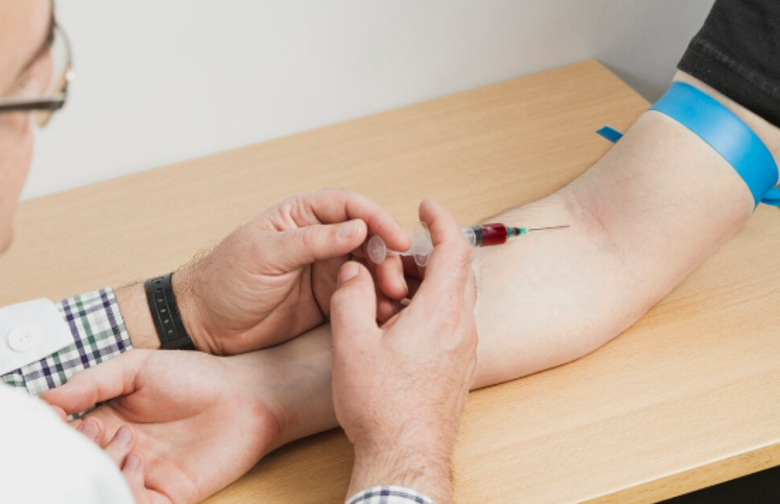
Platelet-rich plasma (PRP) therapy uses a high concentration of patient’s own platelets that deliver protein and vital growth factors. This supports natural tissue repair by building new tissue, lowering long-term pain, and promoting cell growth in damaged areas.
Key Takeaways
- Cellular Recruitment & Growth: Releases vital growth factors (PDGF, TGF-β, VEGF) that recruit stem cells, rebuild collagen, and form new blood vessels to supply damaged tissue.
- Joint Protection & Lubrication: Stimulates natural hyaluronic acid production and inhibits cartilage-destroying enzymes, helping slow down osteoarthritis progression.
- Targeted Pain & Scar Management: Calms peripheral nerve endings to provide long-term pain relief while regulating scar tissue formation to ensure repaired tissue remains flexible and strong.
Modern orthopedics is shifting from temporary pain relief with steroids to regenerative treatments that heal and rebuild damaged joints and tendons. Not just clotting agents, platelets are biological powerhouses that contain thousands of signaling proteins, growth factors, and cytokines. The PRP therapy is considered to repair tissues by using a patient’s own blood components.
In this article, we will discuss how this therapy supports natural tissue repair.
How Does PRP Therapy Support Natural Tissue Repair?
Platelet replacement therapy supports natural tissue repair via:
1. Concentrated Release of Essential Growth Factors
The PRP therapy concentrates platelets in a small blood sample. The alpha-granules in platelets degranulate when injected into damaged tissue. This leads to releasing concentrated PDGF (Platelet-Derived Growth Factor), TGF-β (Transforming Growth Factor-beta), and VEGF (Vascular Endothelial Growth Factor). They support natural tissue repair by:
- PDGF: Helps in the growth of new blood vessels and skin cells
- TGF-β: Builds new tissue and help cells stick together
- VEGF: Creates new blood supply for damaged areas
2. Recruitment of Mesenchymal Stem Cells
This therapy releases concentrated growth factors and chemokines (PDGF and TGF-β) from platelet alpha granules while recruiting mesenchymal stem cells (MSCs). A chemical gradient is created by these signals that guides local MSC migration to the injury site.
The PRP therapy promotes local stem cell differentiation into specialized tissue cells. This results in tissue remodeling, along with encouraging cell survival.
3. Production of Hyaluronic Acid
Delivering platelet-rich plasma injection (injection de prp) results in the production of endogenous hyaluronic acid by stimulating synoviocytes within the joint capsule. This accounts for lowering inflammation, thereby offering support to tissue recovery.
Higher endogenous hyaluronic acid levels contribute to improving synovial fluid viscosity. This reduces mechanical wear on cartilage. Also, natural tissue repair is supported by improving joint lubrication, lowering friction, and restoring smooth articulation in hips and knees.
4. Stimulating Collagen Synthesis
Collagen synthesis is ensured by releasing high concentrations of growth factors (like PGDF and TGF-β) from platelets. The proteins bind to local cell receptors, thereby activating specific gene pathways in fibroblasts. This increases the production of new collagen fibers that repair damaged tissue naturally.
The stimulation of collagen repairs damaged tissues around an injury site. This enhances the healing procedure. Also, this therapy rebuilds structural integrity in torn or degenerate tendon fibers.
5. Inhibition of Cartilage Degrading Enzymes
By delivering a high concentration of growth factors and anti-inflammatory cytokines, platelet replacement therapy suppresses catabolic signaling pathways. This minimizes the expression of matrix-degrading enzymes (MMPs and ADAMTS-5). Also, extracellular matrix synthesis is stimulated to protect and repair joint tissue.
This therapy blocks Tumor Necrosis Factor-alpha (TNF-α) to acknowledge cartilage degrading enzymes. A noted impact is the slowing down of the progression of osteoarthritis by protecting chondrocytes (cartilage cells) from breakdown.
6. Direct Modulation of Peripheral Nociceptors
PRP therapy modulates peripheral nociceptors (pain receptors) by delivering a concentrated pool of autologous growth factors, anti-inflammatory cytokines, and neurotrophic mediators to the injury site. This results in supporting tissue repair. Like, anti-inflammatory cytokines lower chemical irritation around local nerve endings.
By modulating pain receptors, PRP therapy offers long-term pain relief without the neurotoxic risks of chronic analgesics. Hence, the local immune response is shifted from destructive inflammation to a pro-healing profile.
7. Prevention of Excessive Scar Tissue Formation
The platelet-rich plasma injection (injection de prp) prevents excessive scar tissue by releasing growth factors. This balances collagen production while reducing harmful inflammation. Also, this encourages organized tissue remodeling instead of chaotic scarring.
What makes PRP therapy highly effective in preventing fibrosis is that it regulates TGF-β expression levels during the maturation phase of healing. This contributes to supporting natural tissue repair. This therapy ensures that repaired tissue stays flexible instead of stiff and prone to re-injury.
Wrapping Up
PRP therapy supports natural tissue repair by releasing essential growth factors, producing hyaluronic acid, stimulating collagen synthesis, recruiting mesenchymal stem cells, etc. You can consider this pain management treatment for joint pain and chronic tendon injuries.
Seeking a Viable Option for Pain Management? Go for the PRP Therapy
Find a renowned pain management clinic near you. Get a consultation and understand the administration and working procedure of the PRP therapy. Book an appointment and get it administered.